
Private Pay
Your Family Deserves More Than a Waitlist.
Premium home care that starts when you need it — on your terms, with a caregiver your loved one will actually know and trust.
No government approval. No eligibility forms. No strangers rotating through your door. Just the right support, in your loved one’s home, within days of your first call.

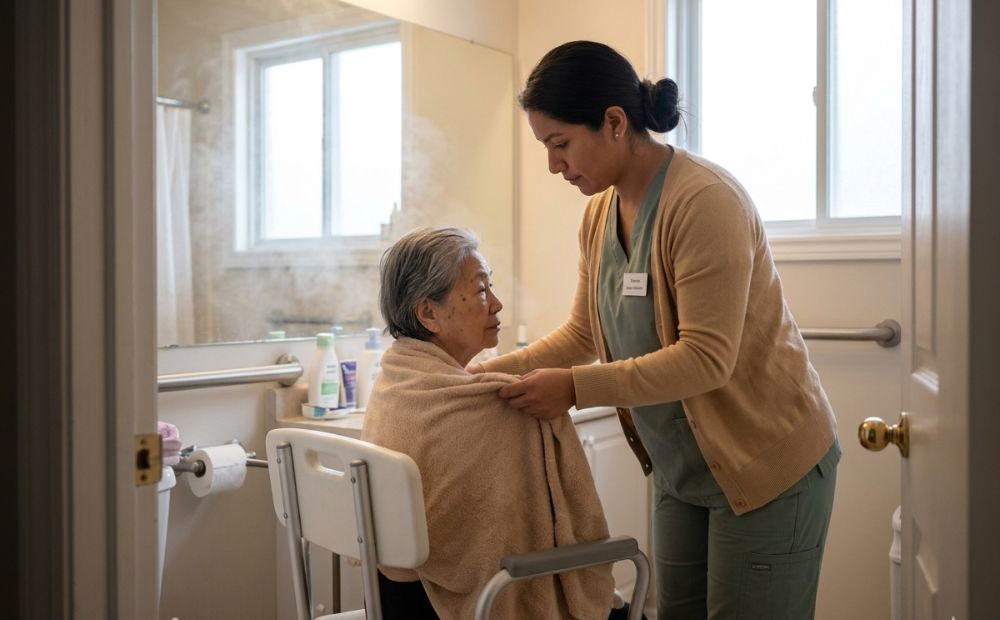
Why Families Choose Private Pay
The Care You’ve Been Searching For — Finally Available
Most families don’t find us when things are going fine. They find us when the system has let them down, when a parent came home from the hospital and no one was there, when the “approved” hours ran out and nothing changed, or when a different stranger showed up at the door for the fifth time and their loved one broke down. If that sounds familiar, you’re in the right place
- Start within days, not months — No waitlists. No eligibility assessments. No system delays standing between your family and the help you need.
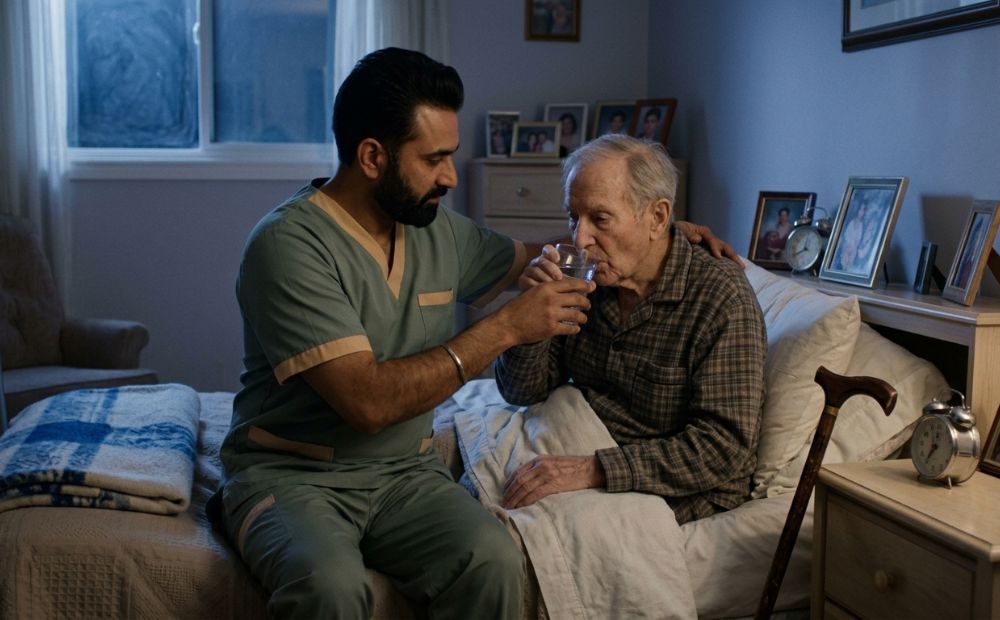
- The same caregiver, every single visit — Consistency isn’t a luxury in home care. For seniors with dementia, anxiety, or complex needs, it’s the difference between fear and calm
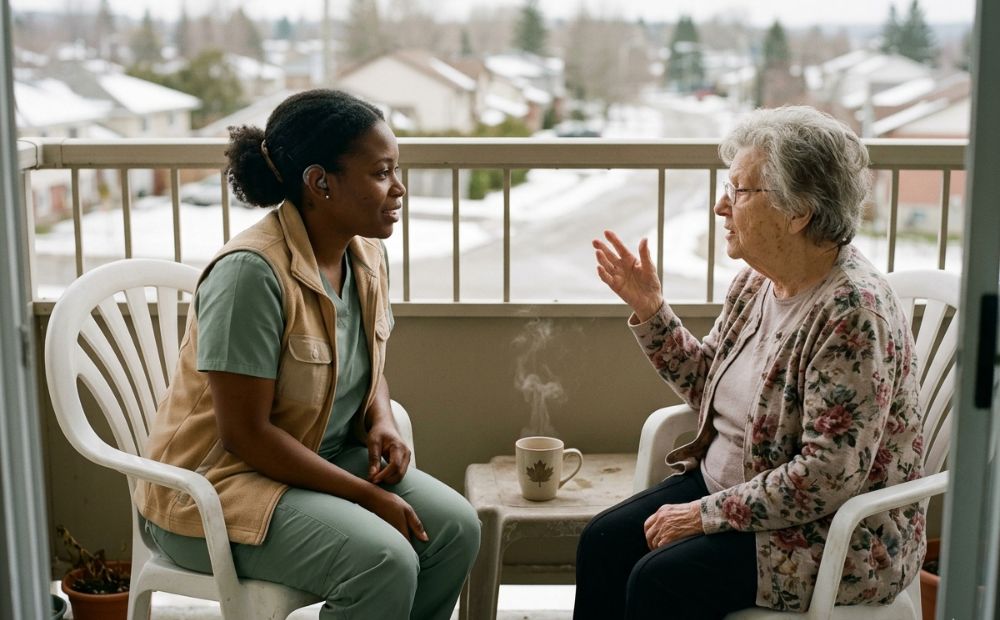
- You choose your caregiver — We match based on skills, language, cultural background, and personality. Then we introduce them before care begins. No one enters your home without your approval.
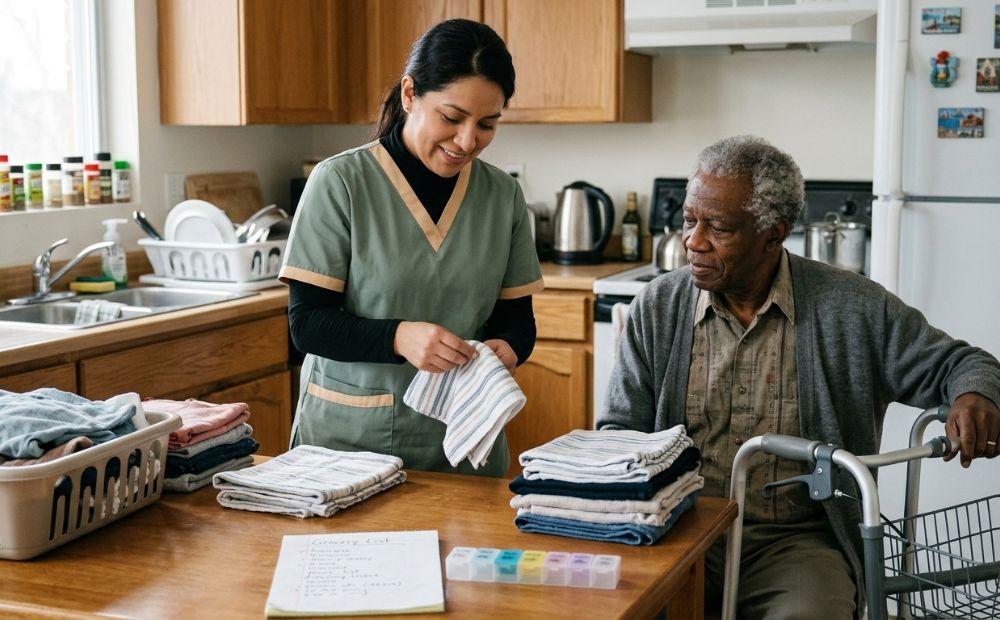
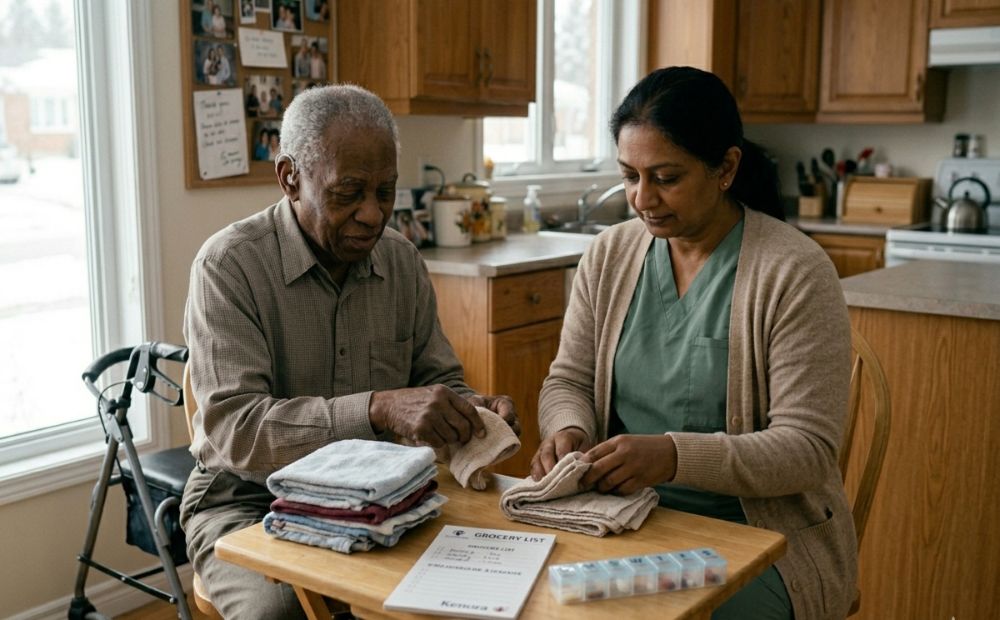
- Flexible scheduling that fits real life — Mornings, evenings, weekends, overnight, 24/7 live-in. Built around your loved one’s routine, not ours.
- No long-term contracts — Adjust, pause, or cancel with reasonable notice. You’re never locked in
- Transparent pricing, always — You receive a specific written quote before committing to anything. No vague estimates, no surprise invoices.
- Backup coverage on every file — A cancelled shift never becomes a missed visit. We fill gaps proactively and notify you immediately.
- Rigorous caregiver standards — Every caregiver is background-checked, PSW-certified, and reference-verified before they meet a single client.
- Works alongside your public funding — Already receiving Ontario Health atHome or FMHC services? We coordinate seamlessly so you never have to manage two separate systems
Private Pay vs. Nursing Home
For many families, Private Pay home care delivers dramatically superior, personalized support — in the comfort of home — at a comparable or lower total cost than institutional placement.
Nursing Home
Location
Institution
Caregiver Ratio
1:8 to 1:15 residents
Wait Time
6 months – 4+ years
Flexibility
Institutional schedule
Start Date
When a bed opens
Private Pay
Location
Their own home
Caregiver Ratio
1:1 dedicated
Wait Time
3–5 days
Flexibility
Your loved one’s schedule
Start Date
This week
The Public System Is Valuable. But It Has Real Limits.
If you’ve tried to navigate Ontario’s publicly funded care system, you already know this. Here are the five most common reasons families come to NtongoCARE Private Pay:
The Waitlist Problem
Ontario Health atHome involves assessments, approvals, and delays that can stretch into months. When your loved one needs care now — after a fall, a diagnosis, a sudden decline — Private Pay means starting today, not in weeks.
The Hours Gap
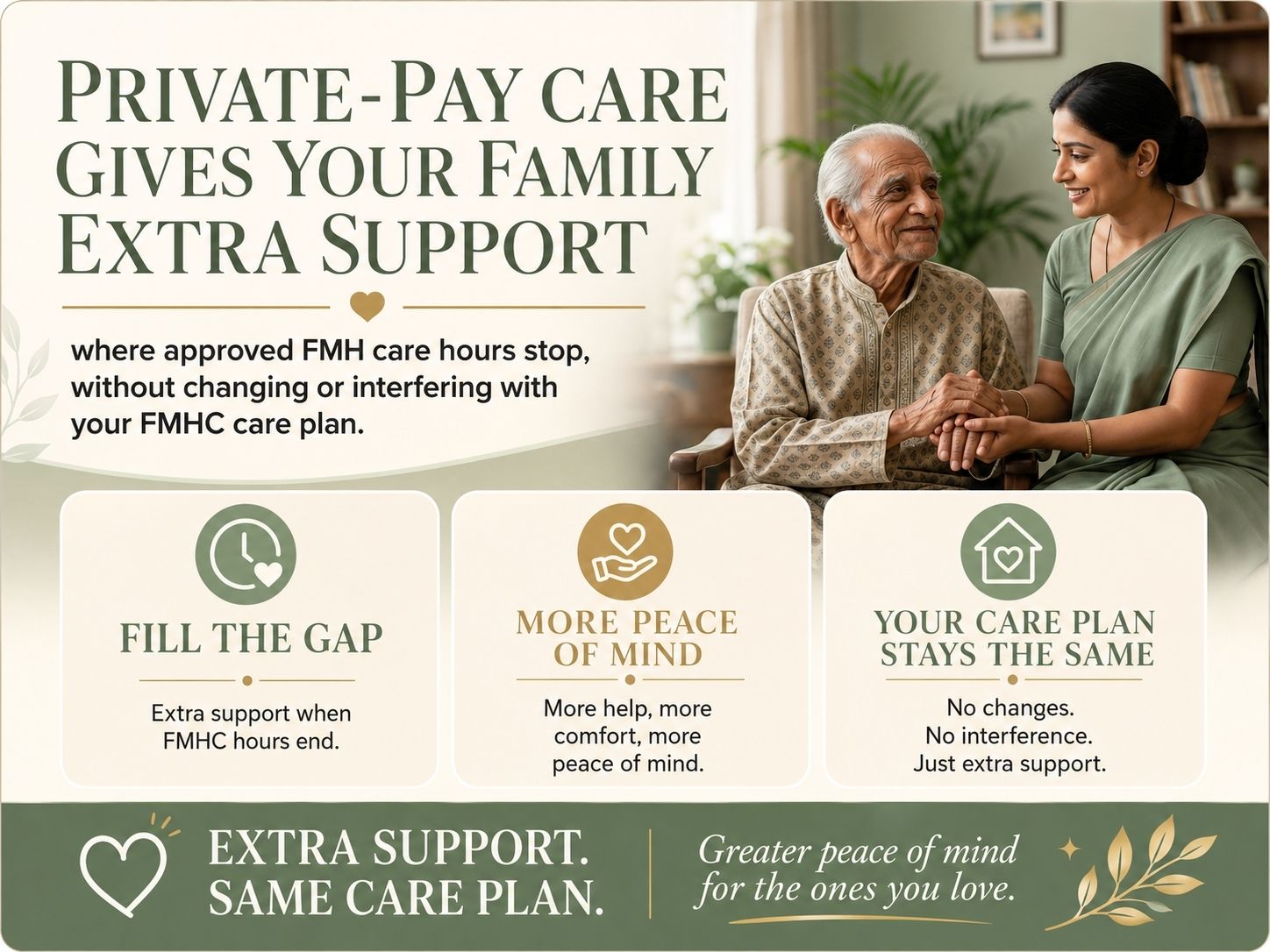
Public funding rarely covers everything a senior needs. If Ontario Health at Home provides 4 hours per week and your loved one needs 15, Private Pay fills the shortfall without disrupting your existing allocation.
The Continuity Problem.
Publicly funded care often means different workers on rotation. For a senior with dementia or anxiety, that unpredictability is genuinely distressing. Private Pay means the same familiar face, every time.
The Choice Problem.
Public programs assign workers based on availability. Private Pay means you choose based on fit — language, personality, cultural background, specialized skills.
The Coverage Problem.
Evening care, weekend support, cultural or language-specific needs, transportation, technology assistance — many fall outside public program scope. Private Pay covers the full picture of what your loved one actually needs.
What Families are Saying
Real Families. Real Outcomes. Real Trust
We don’t ask you to take our word for it. Here’s what families who’ve been exactly where you are right now have to say:


We are built for families
Our Care Promise to Your Family
- No commitment required to get started — your free consultation is exactly that: free
- Caregiver replacement at no charge, no questions asked, no waiting — fit matters more than optics
- Written pricing quote before care begins — never a vague estimate, never a surprise invoice
- Backup caregiver on every file — no gaps, no missed visits, no excuses
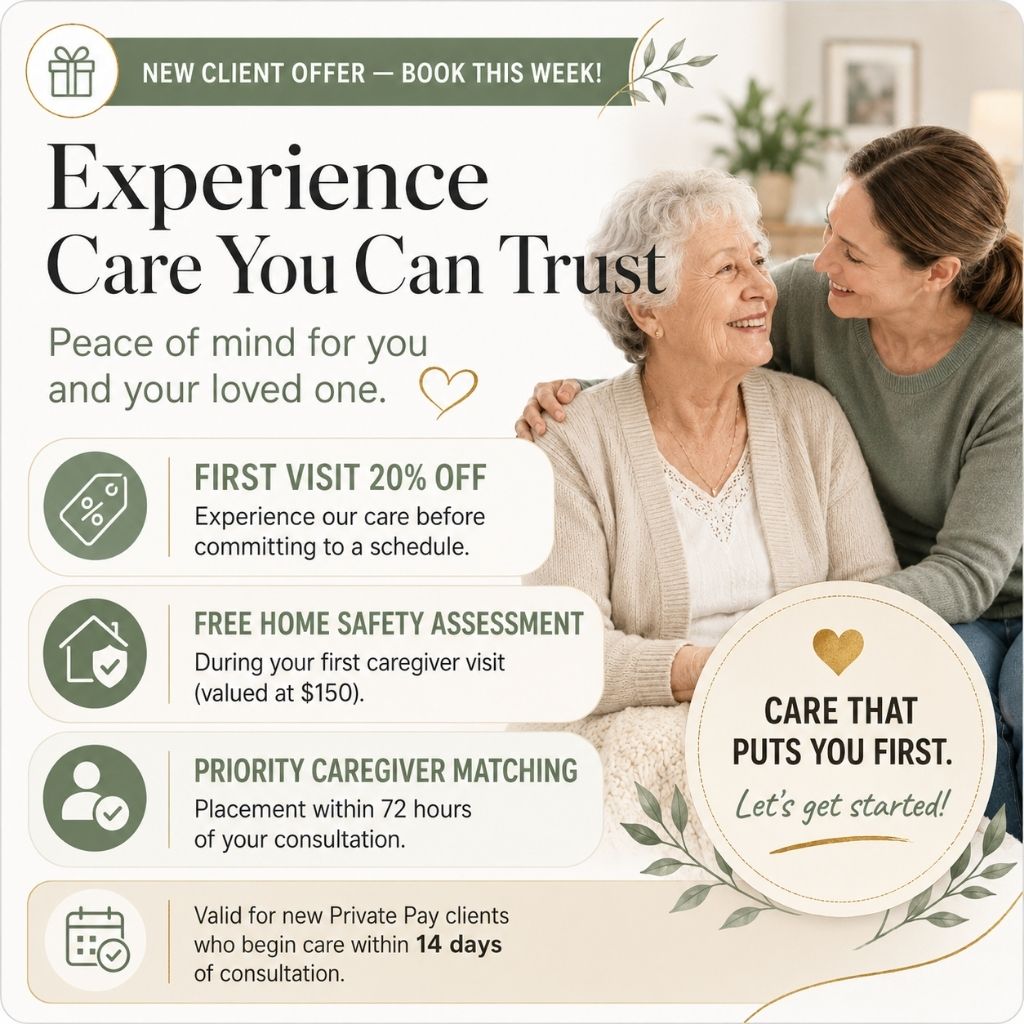
Honest Pricing. Because Your Family Deserves Clarity.
We believe transparency is an act of respect. Your exact rate depends on the level of care, hours required, and complexity of your loved one’s situation. We don’t believe in one-size-fits-all packages or vague estimates.
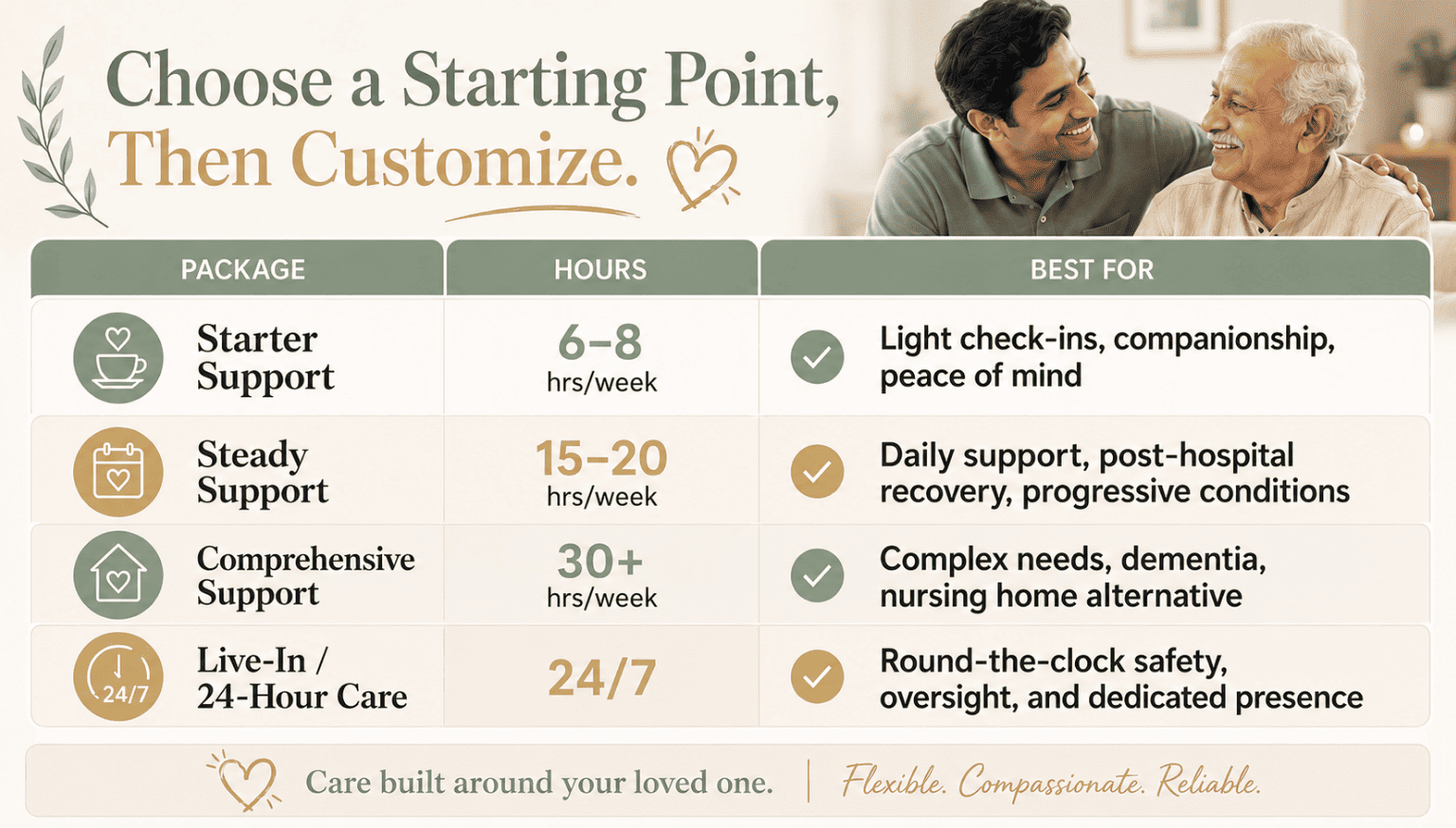
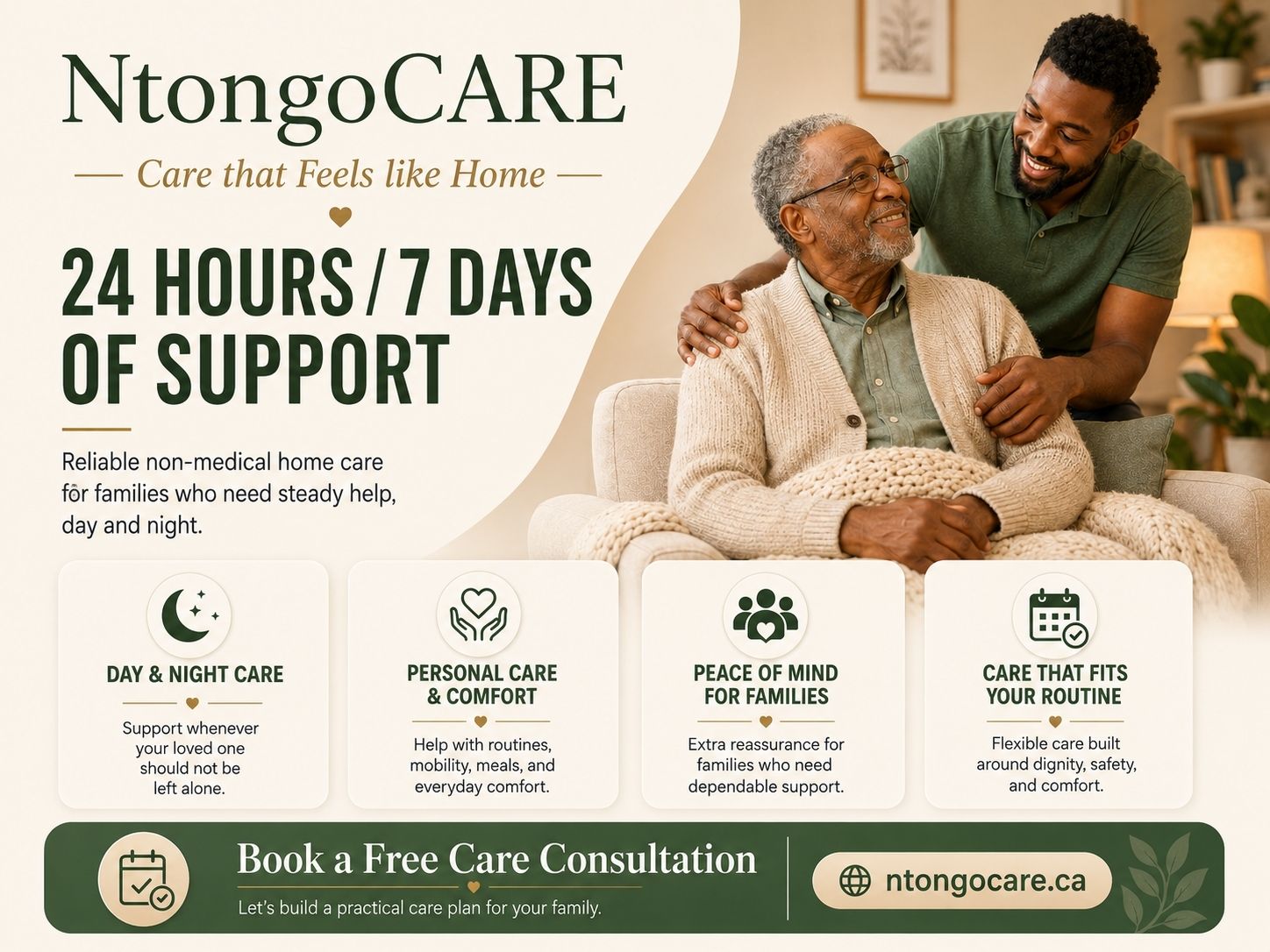
Most families start with Starter or Steady Support and adjust naturally within the first month. There’s no pressure to commit to more than you currently need — and scaling up is simple.
Ready to Begin?
You’ve Already Done the Hardest Part.
Recognizing that your loved one needs more support than the system provides — and deciding to do something about it — takes courage. The next step is simpler than you think.